
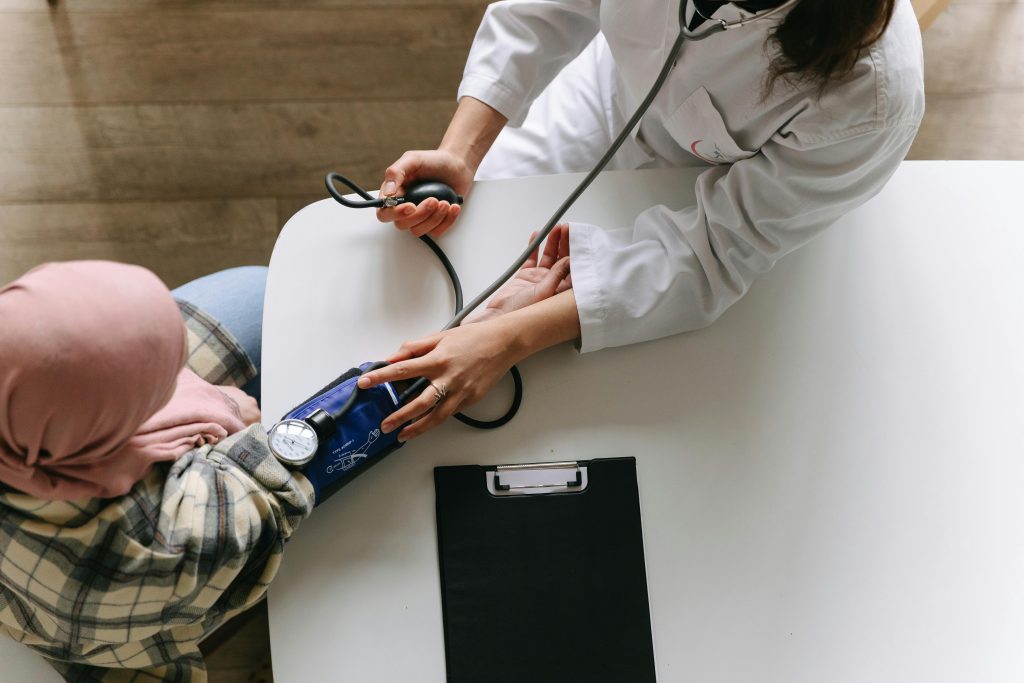
In recent years, healthcare has steadily shifted toward a model that recognizes the deep connection between mental and physical health. Conditions such as anxiety, depression, chronic pain, diabetes, and hypertension rarely exist in isolation. When one area of health suffers, the other is often affected as well.
Integrated care brings psychiatry and primary care together under one coordinated approach, ensuring that every factor contributing to a patient’s well-being is understood and addressed. For example, patients managing chronic illnesses may also experience emotional stress that impacts their physical condition. Likewise, mental health symptoms can sometimes be rooted in underlying medical issues that go undetected without primary care involvement.
By unifying treatment planning, communication, and follow-up, integrated care removes the gaps that often occur when providers work separately. Patients benefit from earlier diagnoses, better treatment outcomes, and a clearer path toward long-term wellness. Integrated care is not just a model—it’s the future of comprehensive, whole-person healthcare.