
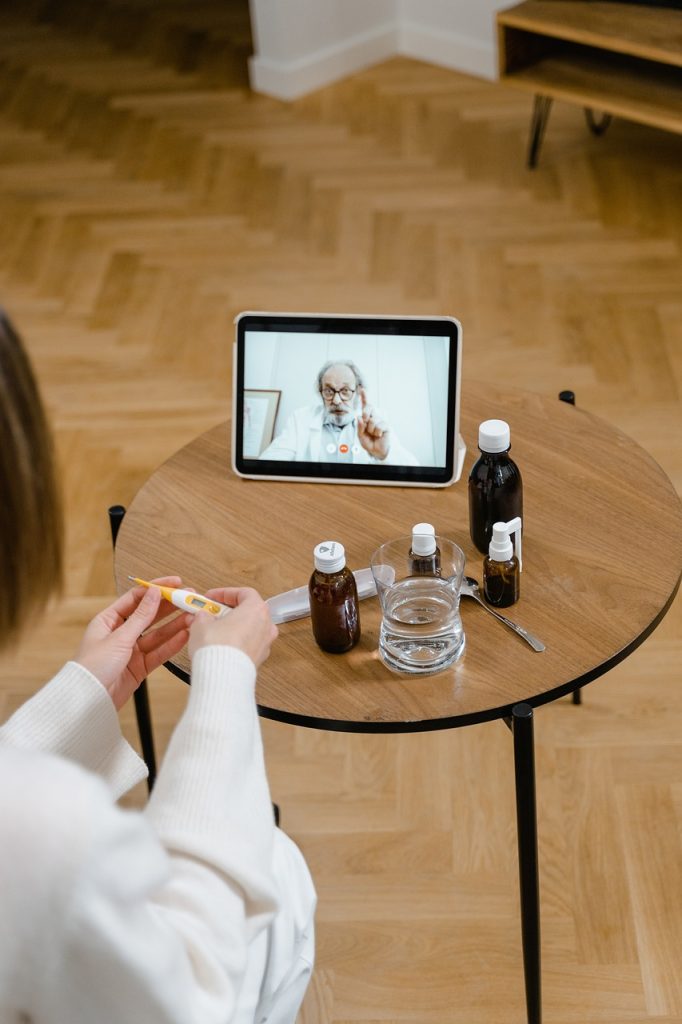
The Rapid Rise of Virtual Care in the Commonwealth
The COVID-19 pandemic triggered an unprecedented shift in healthcare delivery, but in Massachusetts—a state anchored by world-renowned academic medical centers—this shift was not merely a temporary pivot. It catalyzed a permanent transformation. Backed by supportive state policies and a culture of medical innovation, Massachusetts healthcare systems have integrated telehealth not as a stopgap, but as a fundamental, enduring component of patient care. This article explores the drivers, models, and measurable outcomes of telehealth adoption across the Commonwealth, drawing on peer-reviewed research and institutional data to understand its lasting impact.
Drivers of Adoption: Policy, Pandemic, and Patient Demand
The rapid scaling of telehealth in Massachusetts was supported by a confluence of factors. At the state level, MassHealth (Massachusetts Medicaid) expanded coverage for telehealth services early in the pandemic, ensuring reimbursement parity for audio-only and video visits. This policy leadership was critical for maintaining access for vulnerable populations. Simultaneously, federal regulators relaxed restrictions on cross-state licensing and HIPAA-compliant platforms.
However, the primary catalyst was the immediate need to maintain continuity of care during lockdowns. Major systems like Mass General Brigham (MGB) witnessed a staggering increase, with telehealth visits exploding from about 1,000 per week pre-pandemic to over 20,000 per week by April 2020. This was not a simple substitution; it represented a massive, system-wide re-engineering of clinical workflows almost overnight. Research in JAMA Health Forum noted that this expansion was most pronounced in behavioral health and primary care, demonstrating its role in sustaining essential, non-emergent care.
Implementation Models Across Major Healthcare Systems
Different Massachusetts institutions have developed distinct telehealth strategies tailored to their patient populations and specialties. The following table summarizes approaches from leading systems:
| Healthcare System | Telehealth Model & Focus | Key Features & Innovations |
|---|---|---|
| Mass General Brigham (MGB) | Hybrid “omnichannel access” model. Centralized platform for scheduling and visits across all specialties. | MGB’s Patient Gateway integrates virtual visits, e-consults, and remote monitoring. Strong focus on specialty care (e.g., neurology, cardiology) and post-discharge follow-up. |
| Boston Medical Center (BMC) | Health equity-centered model. Focus on overcoming the digital divide for low-income, multilingual, and elderly patients. | Embraces audio-only visits; distributes internet-enabled tablets; employs community health workers for tech support. Targets barriers like limited broadband and digital literacy. |
| UMass Memorial Health | Hospital-at-Home & Acute Care at Home programs. Uses telehealth to manage moderately acute conditions (e.g., pneumonia, CHF) remotely. | Combines daily video visits with in-person nurse visits and remote monitoring (e.g., pulse oximetry, vitals). Aims to reduce hospital admissions and length of stay. |
| Tufts Medicine | Integrated primary care and behavioral health. System-wide rollout for routine chronic disease management and mental health. | Leverages telehealth for collaborative care models, where psychiatrists consult virtually with primary care teams, improving access to mental health services. |
Measured Outcomes and Ongoing Challenges
Peer-reviewed studies are beginning to quantify telehealth’s impact in Massachusetts. A RAND Corporation study of MGB data published in Health Affairs found that while in-person visits rebounded post-pandemic, telehealth settled at approximately 17% of all outpatient visits, indicating sustained adoption. Patient and provider satisfaction remains high for appropriate use cases, particularly for follow-ups, medication management, and behavioral health.
Research highlights clear benefits:
- Improved Access: Reduces geographical and transportation barriers, especially for rural patients in Western MA or those with mobility issues.
- Continuity of Care: Enhances follow-up adherence after hospital discharge or for chronic conditions like diabetes.
- Efficiency: Can reduce missed appointments (no-shows) and waiting times for certain specialties.
However, significant challenges persist, underscoring that telehealth is an addition to, not a replacement for, in-person care:
- The Digital Divide: Disparities in broadband access, device ownership, and digital literacy can exacerbate existing health inequities. Systems like BMC actively work to mitigate this.
- Clinical Limitations: Physical exams, procedures, and conditions requiring hands-on assessment are not suitable for virtual visits.
- Regulatory Uncertainty: The long-term status of reimbursement parity and cross-state licensing waivers remains unclear, creating planning challenges for health systems.
The Future of Telehealth in Massachusetts
The consensus among Massachusetts health leaders is that telehealth is now a permanent fixture. The future lies in “hybrid care” or “digital omnichannel” models, where the patient and clinician together choose the most appropriate venue—in-person or virtual—for each clinical interaction. Innovation continues in areas like remote patient monitoring (RPM) for chronic diseases, integrated digital triage tools, and more seamless platform interoperability.
The Massachusetts experience demonstrates that successful, equitable telehealth integration requires more than just technology. It demands proactive policy, intentional design to include underserved populations, and continuous evaluation to ensure quality of care.
Book a consultation with our specialized team today.
Sources:
- Massachusetts Health Policy Commission. (2021). Telehealth Utilization and Impact in Massachusetts. Boston, MA.
- Mehrotra, A., et al. (2021). The Impact of the COVID-19 Pandemic on Outpatient Visits: A Rebound Emerges. Commonwealth Fund.
- Reed, M. E., et al. (2022). Patient Characteristics Associated with Choosing a Telemedicine Visit vs. Office Visit with the Same Primary Care Clinicians. JAMA Network Open.
- Mass General Brigham. (2022). Digital Care Report: The Evolution of Telehealth. Boston, MA.
- Boston Medical Center. (2023). Health Equity and Telehealth: Bridging the Digital Divide. Boston, MA.