
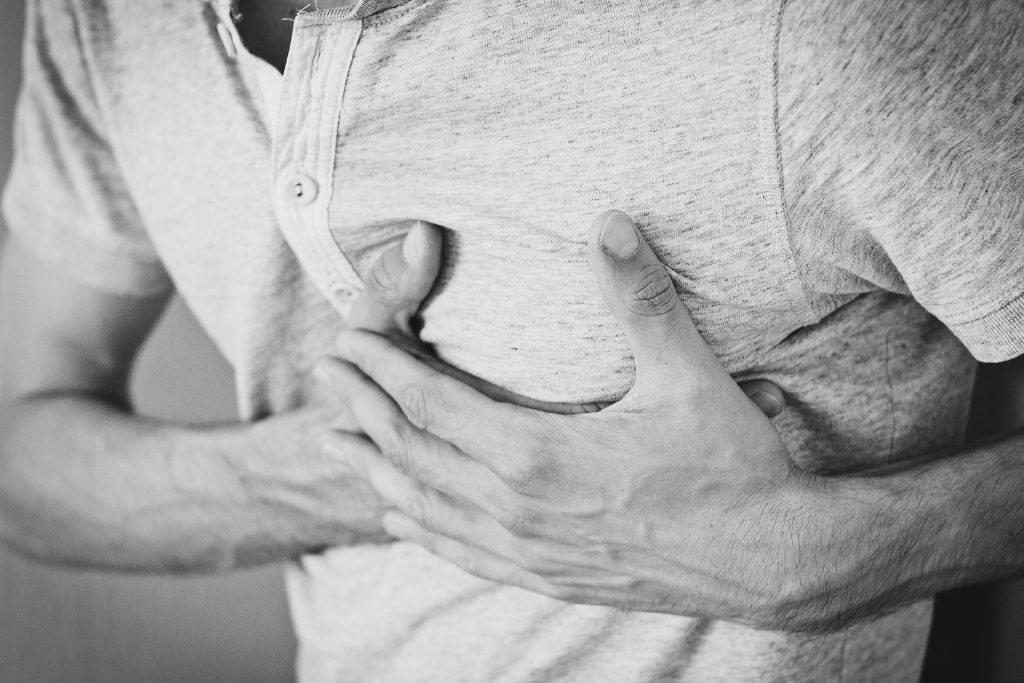
Experiencing chest pain can be terrifying. Your first thought is often your heart. But what if the real cause is your mind? Understanding the difference between anxiety chest pain vs. a heart attack is crucial for your health and peace of mind. At Psychiatry and Primary Care, our integrated model is uniquely equipped to diagnose and treat the complex link between your mental and physical health.
The Alarming Overlap: Why Anxiety Feels Like a Heart Attack
When you have a panic attack or intense anxiety, your body unleashes a flood of stress hormones like adrenaline. This triggers your “fight-or-flight” response, causing very real, frightening physical symptoms, including:
- Chest tightness or pain: Often described as a sharp, stabbing sensation or a persistent dull ache.
- Racing heart (palpitations): Your heart may feel like it’s pounding or fluttering.
- Shortness of breath: A feeling of being unable to get enough air.
- Dizziness, lightheadedness, or tingling sensations.
These symptoms so closely mimic cardiac events because the same nervous system pathways are involved. The critical question is: “Why does my chest hurt when I’m stressed?” The answer lies in muscle tension, hyperventilation, and heightened nerve sensitivity—all direct results of anxiety.
Key Differences: Anxiety Chest Pain vs. Heart Attack Pain
While only a medical professional can provide a definitive diagnosis, there are common differentiating clues:
Anxiety or Panic-Related Chest Pain:
- Pain Type: Often sharp, stabbing, or “pinpoint” pain. May feel like a spasm or twinge.
- Location: Pain is typically localized to one area, often the center of the chest.
- Duration: Pain may peak within minutes and subside as anxiety passes, often lasting 10-30 minutes.
- Triggers: Often follows periods of high stress, worry, or specific phobias.
- Relief: Symptoms often improve with relaxation, deep breathing, or distraction.
Heart Attack Chest Pain (Seek IMMEDIATE Emergency Care):
- Pain Type: Often described as pressure, squeezing, fullness, or a “heavy weight” on the chest.
- Location: Pain may radiate to the arm (especially left), jaw, shoulder blades, or back.
- Duration: Pain is persistent, usually lasting more than a few minutes and doesn’t resolve with rest.
- Associated Symptoms: Often accompanied by nausea, cold sweat, extreme fatigue, or lightheadedness.
Crucial Note: When in doubt, always seek emergency medical attention (call 911). It is never wrong to get a potential heart issue checked out immediately.
The Integrated Solution: Treating the Mind and Body
This is where our unique Psychiatry and Primary Care model becomes essential. The old approach would be a fragmented journey: the ER rules out a heart attack, a cardiologist runs tests, and finally, a patient might be referred to a psychiatrist. This process is slow, costly, and frightening.
We streamline this under one roof:
- Comprehensive Medical Evaluation: Our primary care team conducts a thorough assessment to rule out cardiac and other physical causes of your chest pain (e.g., GERD, musculoskeletal issues). We order necessary tests and collaborate with cardiologists when needed.
- Expert Psychiatric Diagnosis: If anxiety is the root cause, our psychiatrists can accurately diagnose panic disorder, generalized anxiety, or other conditions. We explore the “why” behind your physical symptoms.
- Unified Treatment Plan: This is our core strength. Your treatment plan may include:
- Medication Management: If appropriate, medications (like SSRIs) can reduce overall anxiety, preventing chest pain episodes. We manage prescriptions and monitor for side effects seamlessly.
- Therapy (Psychotherapy): Cognitive Behavioral Therapy (CBT) is highly effective for teaching you to manage anxiety responses and break the cycle of fear.
- Lifestyle & Stress-Reduction Strategies: We provide guidance on sleep, exercise, nutrition, and mindfulness techniques to calm the nervous system.
Breaking the Cycle of Fear
The fear of chest pain itself can become a source of anxiety, creating a vicious cycle. You fear the pain, the fear triggers more adrenaline, and more pain follows. Our integrated team helps you break this cycle by providing medical reassurance and targeted psychiatric treatment.
FAQs: Anxiety and Chest Pain
Q: Can anxiety cause constant chest tightness?
A: Yes, chronic anxiety can lead to persistent muscle tension in the chest, shoulders, and back, creating a feeling of constant tightness or discomfort.
Q: How can I calm anxiety chest pain in the moment?
A: Try focused deep breathing (inhale for 4, hold for 4, exhale for 6). Ground yourself by naming 5 things you can see. Remind yourself it is anxiety and will pass. If symptoms are severe or different, seek medical care.
Q: Why choose an integrated practice for this problem?
A: Because your symptoms exist at the intersection of two specialties. We eliminate the guesswork and communication gaps, providing efficient, holistic care that addresses the full picture of your health.
Don’t Navigate This Uncertainty Alone
If you’re searching “tight chest anxiety” or wondering “why does my chest hurt when I’m stressed,” you deserve clear answers and effective treatment. You don’t have to choose between a medical doctor and a psychiatrist.
Let Psychiatry and Primary Care be your guide. We will help you determine the cause of your chest pain and create a personalized plan to treat it—whether its origin is cardiac, psychiatric, or a combination of factors.
Contact us today to schedule a consultation and take the first step toward relieving your chest pain and calming your mind.